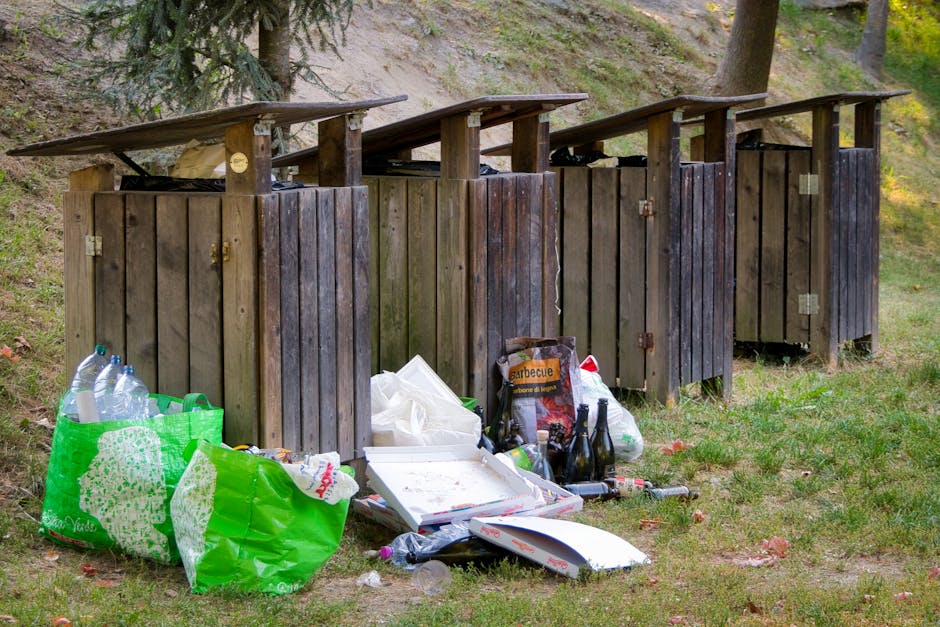
What to know about access problems for Edmonton rubbish crews
If you are arranging a clearance and the path to the waste is awkward, cramped, blocked, or just plain messy, you are not alone. Access problems are one of the biggest reasons rubbish crews in Edmonton need a little extra planning before they start. A narrow hallway, a basement flat, a tight staircase, parking restrictions, a locked gate, or furniture that will not fit through the door can all slow things down. The good news? Most of these issues are manageable if they are spotted early.
This guide explains what to know about access problems for Edmonton rubbish crews, why they matter, and how to deal with them without turning a simple collection into a headache. You will also find a practical step-by-step approach, a comparison table, a real-world example, and a checklist you can use before the crew arrives. To be fair, a bit of preparation goes a long way here.
Contents
- Why access problems matter
- How rubbish crews handle difficult access
- Key benefits of planning access in advance
- Who this is for and when it makes sense
- Step-by-step guidance
- Expert tips for better results
- Common mistakes to avoid
- Tools, resources and recommendations
- Law, compliance, standards and best practice
- Options and comparison table
- Case study or real-world example
- Practical checklist
- Conclusion
- Frequently asked questions
Why access problems matter
Access sounds like a small detail until the crew turns up and realises they cannot safely reach the waste. Then it becomes the whole job. If a team has to carry items further than expected, navigate stairs one box at a time, or keep stopping to move obstacles, the clearance can take longer and become more expensive. In some cases, it can also create safety issues for both the crew and the property.
From an operational point of view, good access is about more than convenience. It affects:
- time on site and how long the clearance takes
- manual handling risks when items are heavy or awkward
- parking and loading logistics outside the property
- damage prevention for walls, flooring, stair rails, and doors
- price accuracy when the quote depends on the actual effort involved
And honestly, many access issues are not dramatic. Sometimes it is just a sofa that looked manageable in photos but behaves like a stubborn castle siege once it reaches the stairs. Happens more often than people think.
If your clearance involves bulky items, mixed household waste, or awkward spaces, it can help to look at related services such as house clearance, flat clearance, or general waste removal so you can match the right service to the job.
How rubbish crews handle difficult access
A good rubbish crew will usually work through access problems in a practical, step-by-step way. First they assess what they are dealing with: door widths, staircases, lifts, parking distance, surface conditions, and whether items can be carried without blocking shared areas. Then they decide whether the job can be completed as planned or whether extra labour, more time, or a different method is needed.
Typical access questions include:
- Can the vehicle stop close enough to the property?
- Is there a lift, or is everything going upstairs or down?
- Are hallways, corridors, or communal entrances clear?
- Can large items be moved without dismantling?
- Are there locked gates, codes, or concierge rules to manage?
In some cases, the crew may recommend breaking down items first. In others, they may suggest removing pieces separately. For furniture-heavy jobs, pages like furniture clearance, furniture disposal, and mattress and sofa disposal are especially relevant because these items are often the ones that cause the biggest access snag.
When the access is poor enough that items cannot be moved safely in one piece, a crew may need to change the approach. That could mean dismantling furniture, using more staff, or setting up a longer carry route. No drama, just reality.
Key benefits of planning access in advance
Planning access before the crew arrives saves time, reduces friction, and usually makes the whole job smoother. It also improves the chance that the quote you were given will still make sense on the day.
Here are the main advantages:
- Faster clearance because the crew knows where to park and how to move items out
- Fewer surprises when narrow stairs or tricky corners are flagged early
- Lower risk of damage to walls, bannisters, floors, lifts, and communal areas
- Better pricing transparency when access conditions are described accurately
- Less stress for you because you are not scrambling to move items or unlock gates at the last minute
There is also a subtle but important benefit: good access planning helps the crew work more safely and confidently. That matters whether they are clearing a single bulky item or a full property. If you are dealing with a bigger load, it can be worth checking the site's health and safety policy and insurance and safety information so you understand the standards expected on a professional job.
Expert summary: Access problems are rarely deal-breakers. They are usually planning problems. Spot them early, describe them clearly, and the job becomes much more manageable.
Who this is for and when it makes sense
This topic matters to anyone arranging rubbish removal where the crew may not have a straightforward route to the waste. That could be a homeowner, landlord, tenant, letting agent, office manager, builder, or someone clearing a property after a move. If you have ever thought, "The front door is fine, but after that it gets a bit awkward," this guide is for you.
Common scenarios include:
- Basement flats where everything has to be carried up narrow stairs
- Top-floor flats with no lift, especially for heavy items
- Shared buildings with codes, fobs, or limited loading windows
- Homes on busy roads where parking near the entrance is difficult
- Garden or garage clearances where the access route is muddy, uneven, or blocked
- Office clearances where corridors, fire exits, and reception areas must stay clear
If your job is more specialised, the same access principles still apply. For example, a garage clearance might involve a narrow side passage, while a loft clearance can be limited by steep ladders and low headroom. Builders often hit the same issue with stacked materials, which is why builders waste clearance usually benefits from a clear loading plan from the start.
Truth be told, access planning is one of those things that seems boring right up until it saves your day.
Step-by-step guidance
If you want the clearance to go smoothly, use this practical process. It is simple, but it works.
- Walk the route first. Start at the waste and trace the path to the vehicle. Look for low ceilings, tight turns, steps, locked doors, and anything that might snag.
- Measure the awkward bits. Doorways, stair widths, lift sizes, and bulky items matter. Even rough measurements help the crew prepare.
- Photograph the access. A quick set of photos of the entrance, hallway, staircase, and parking area can prevent a lot of confusion later.
- Check parking and loading space. If a vehicle cannot stop near the entrance, say so early. Short carry distances are ideal, but not always available.
- Remove easy obstacles. Shoes, bins, bikes, plant pots, and loose clutter can all get in the way. A five-minute tidy can make a surprising difference.
- Flag any special rules. Codes, concierge desks, resident permits, time limits, and shared corridor restrictions should all be mentioned.
- Tell the crew about heavy or delicate items. Fridges, appliances, wardrobes, glass tops, and large sofas often need a different handling plan. A related page such as fridge and appliance removal may be useful if white goods are involved.
- Ask how the crew prefers access information. Some teams want photos, others want a quick call, and some need a written note. Keep it simple.
A practical example: if you are clearing a first-floor flat in Edmonton and there is no lift, the crew may need to carry items down a narrow stairwell, past a shared landing, and out through a courtyard. That is very different from wheeling things straight from a driveway. Same job category, very different effort.
Expert tips for better results
Small changes make a big difference here. In our experience, the best results usually come from preparing the route before worrying about the items themselves.
Keep the access path as clear as you can. Even a decent-size hallway can become awkward if coats, bags, recycling, or kids' shoes are left in the way. You do not need to deep-clean the place; just clear the line of travel.
Be honest about the difficult bit. If the only entrance is through the back garden and the ground is soft after rain, say it. If there is a gate with a stubborn lock, mention that too. The crew would rather know in advance than discover it while carrying a heavy item in drizzle. And yes, it is usually drizzly at the worst possible moment.
Think about item order. Sometimes the smallest thing causes the biggest blockage. If a large wardrobe has to come out before the smaller items can move, plan for that. If a sofa has to pivot around a stairwell corner, check whether doors can be removed or the legs detached.
Ask about dismantling options. Some furniture can be broken down safely before collection. This is especially helpful for clearance jobs involving bulkier household furniture or office fittings, including office clearance.
Consider timing. Early morning collections can sometimes mean less traffic, easier parking, and fewer neighbours moving about in corridors. That can shave off hassle, even if it only feels like a small win.
Match the service to the access level. A garden pile through a side gate is a different job from a loft full of awkward items. If your waste includes general mixed loads, a page such as home clearance or garage clearance can help you think through the shape of the job before you book.
Common mistakes to avoid
Most access problems are avoidable. The same handful of mistakes crop up again and again, and they are usually simple to fix.
- Assuming photos are enough. A single picture of the waste is not the same as showing the whole route. The stairwell matters. The gate matters. The parking gap matters.
- Forgetting about shared spaces. Communal corridors, lifts, and entrances often have rules. If you do not mention them, the crew may arrive without the right timing or equipment.
- Leaving bulky items assembled when they could be reduced in size. A wardrobe door, a bed frame, or a table leg removed in advance can change everything.
- Not clearing the path. Even minor clutter can cause delays when items are wide or heavy.
- Underestimating the carry distance. Twenty extra metres sounds harmless until the job involves several large items and a staircase.
- Hiding the awkward details. Sometimes people worry they will sound difficult. They will not. They will sound helpful.
One more thing: if you are dealing with items that need special handling, do not let them get bundled into the general pile by accident. Hazardous materials, certain appliances, and sensitive waste should be separated. For those situations, pages like hazardous waste disposal and confidential shredding are worth reviewing.
Tools, resources and recommendations
You do not need fancy equipment to solve most access issues, but a few simple tools help a lot.
- Measuring tape: useful for doorways, stair widths, and awkward furniture dimensions
- Phone camera: ideal for quick photos of routes, gates, and parking spots
- Basic torch: handy for lofts, basements, and dim stairwells
- Marker labels: good for separating items by room or priority
- Gloves and sensible footwear: especially if you are helping move items before the crew arrives
For service planning, these site pages can also help you frame the job properly:
- pricing and quotes for understanding what may affect the estimate
- recycling and sustainability if you want to know how items are handled after collection
- what can go in a skip if you are comparing waste options
- accessibility statement if you need a sense of the company's accessibility approach
If the access issue involves a specific room or collection type, it can also help to look at the service page that best fits the job. A loft, a garage, and a business unit are all different beasts. No point pretending otherwise.
Law, compliance, standards and best practice
When rubbish crews work on private property, flats, business premises, or shared access routes, they still need to follow sensible UK working practices. That usually means safe manual handling, careful loading, respect for shared spaces, and proper handling of waste types that should not be mixed together.
Without getting overly legal about it, the main things to bear in mind are:
- Safe lifting and carrying: heavy items should be assessed before anyone starts dragging them down stairs
- Risk awareness: wet surfaces, poor lighting, and narrow routes can increase the chance of slips or knocks
- Waste segregation: mixed loads should still be sorted where needed, especially for appliances, sharps, or hazardous materials
- Property care: walls, flooring, lifts, and communal entrances should be protected where practical
- Clear communication: if access is restricted or unusual, the crew should know before arrival
For businesses, these standards matter even more because staff, customers, or residents may be moving through the same space. That is one reason business waste removal often benefits from a more formal access plan, especially if loading has to happen during opening hours or in a shared car park.
If you are unsure whether a particular item needs special handling, it is safer to ask than to guess. That applies to appliances, sharp materials, mixed renovation waste, and anything you would rather not see rolling loose in a hallway. Common sense counts a lot here, as it should.
Options, methods, or comparison table
When access is difficult, there is rarely just one way to solve the problem. Here is a simple comparison of common approaches.
| Approach | Best for | Pros | Watch-outs |
|---|---|---|---|
| Direct carry-out | Normal houses, short routes, good parking | Fast, simple, low disruption | Not ideal if hallways or stairs are tight |
| Partial dismantling | Wardrobes, beds, bulky furniture, awkward turns | Makes large items easier to move | Takes extra time and may not suit every item |
| Extra crew support | Heavy loads, stairs, long carry distances | Improves safety and speed | Can affect cost |
| Staged collection | Big clearances with limited access windows | Helps manage busy sites or shared buildings | Requires more coordination |
| Alternative loading point | Back gardens, side gates, alleys, rear entrances | May avoid a difficult front entrance | Needs clear path and safe surface |
Which option is best? It depends on the route, the waste type, and the building layout. For example, a household clearance may suit staged removal, while a bulky furniture job may be quicker if items are dismantled first. If the job involves a lot of mixed household waste, compare it with house clearance and home clearance services to see which feels closest to your situation.
Case study or real-world example
Imagine a two-bedroom flat in Edmonton with no lift, a narrow stairwell, and a parking space that is sometimes blocked by neighbouring vehicles. Nothing unusual, really. The customer wants a mix of furniture taken away: a sofa, a mattress, a chest of drawers, a small fridge, and several bags of mixed clutter from a storage cupboard.
On paper, the job looks straightforward. In real life, there are three access pressure points:
- the sofa is too bulky to turn easily on the landing
- the fridge needs careful lifting because the stairwell is tight
- parking is not guaranteed right outside the entrance
The solution is not complicated, but it has to be thought through. The customer sends a few photos of the stairwell and the living room doorway. The crew checks the fridge dimensions, confirms whether the sofa legs can be removed, and agrees on a time when parking is more likely to be available. The route from the flat to the van is kept clear, and the clearance is finished without unnecessary back-and-forth.
The important thing here is not that everything went perfectly. It is that the awkward bits were identified early. That is what saves time, protects the property, and keeps everyone calmer. A small win, but a real one.
Practical checklist
Use this checklist before the crew arrives. It is short on purpose.
- Have I walked the full route from waste to vehicle?
- Have I checked door widths, stairs, and tight corners?
- Have I sent photos if the access is not obvious?
- Do I know where the vehicle can park or load?
- Are gates, codes, fobs, or permits ready?
- Have I cleared hallways, landings, and entrances?
- Have I identified heavy, fragile, or awkward items?
- Do any items need dismantling before removal?
- Are there shared spaces, neighbours, or building rules to consider?
- Have I told the crew about anything that could slow them down?
If you can tick most of those boxes, you are in pretty good shape. And if you cannot, that is fine too. Just flag the gaps before collection day.
Conclusion
Access problems for rubbish crews are common, but they do not need to derail a clearance. The trick is to treat access as part of the job, not an afterthought. Measure the route, share clear photos, mention parking issues, and be upfront about any awkward stairs, gates, or shared entrances. That kind of practical honesty helps the crew plan properly and helps you avoid unnecessary delays.
For Edmonton residents and businesses alike, the best clearances are the ones where everyone knows what to expect. A little preparation makes the difference between a stressful, stop-start visit and a smooth, efficient removal. It really does.
Get a free quote today and see how much you can save.
Frequently Asked Questions
What counts as an access problem for rubbish crews?
Anything that makes it harder to reach, carry, or load waste safely can count as an access problem. Common examples include narrow staircases, locked gates, no lift, poor parking, long carry distances, and cluttered hallways.
Should I mention access problems before booking?
Yes. In fact, that is one of the most helpful things you can do. If the crew knows in advance, they can bring the right number of people, allow enough time, and avoid surprises on the day.
Do access problems usually cost more?
They can, depending on how much extra time, labour, or planning is needed. A short carry from the front door is very different from carrying everything down several flights of stairs. The exact cost depends on the job.
Will the crew dismantle furniture if it will not fit out?
Sometimes, yes. Many bulky items can be partly dismantled if it is safe and practical to do so. Sofas, beds, wardrobes, and tables are common examples. It is best to ask in advance rather than assume.
What if there is no parking near my property?
Say so early. The crew may still be able to collect the waste, but they need to know about loading restrictions, permit requirements, or a longer carry route. Parking is often a bigger issue than people expect.
Can rubbish crews work in flats or shared buildings?
Yes, but access planning matters even more in flats and shared buildings. Lifts, hallways, resident rules, and time restrictions can all affect how the job is done.
How can I make a difficult access job easier?
Clear the route, send photos, measure the tight spots, and remove anything that blocks the entrance or stairs. If possible, take apart bulky furniture before collection. Small steps, big payoff.
What items are most likely to cause access trouble?
Large sofas, wardrobes, mattresses, fridges, appliances, and awkwardly shaped furniture are the usual troublemakers. Heavy items and anything with tight turning angles can become awkward very quickly.
Should I worry about damage to walls or floors?
If the access is tight, it is sensible to think about it. Professional crews aim to work carefully, but narrow stairways and bulky items always carry some risk. Clearing the route and warning the crew helps reduce that risk.
What if I only realise there is an access issue on the collection day?
Tell the crew straight away. It is better to be honest and adjust the plan than to push on blindly. The collection may still go ahead with a different approach, but the sooner the issue is raised, the better.
Are access issues different for business waste removal?
Usually, yes. Business sites may involve receptions, loading bays, staff traffic, or customer areas, so timing and safety matter more. If access is complicated, a more formal plan is often worth it.
Where can I check what service fits my clearance best?
You can compare the job with pages such as waste removal, office clearance, or builders waste clearance. Matching the service to the access conditions usually makes the process smoother.